Buying your first tobacco pipe is exciting, but it can also feel confusing. New pipe smokers quickly discover that there are many different pipe shapes, materials, finishes, sizes, and accessories. Without the right information, it is easy to purchase a pipe that does not fit your smoking style.
The good news is that choosing your first pipe does not have to be difficult. A quality pipe can provide years of enjoyable smoking if you understand a few basic principles before making your purchase.
This beginner pipe buying guide explains everything a new pipe smoker should know before buying their first tobacco pipe.
Why Choosing the Right Pipe Matters
Unlike cigarettes or cigars, pipe smoking is a relaxing hobby that rewards patience. A well-made pipe offers a cooler smoke, better flavor, and greater comfort.
Your first pipe does not need to be expensive. Instead, it should be comfortable to hold, easy to clean, and suitable for learning proper pipe smoking techniques.
The best beginner pipe is often one that feels natural in your hand and allows you to enjoy the experience without unnecessary complications.
1. Choose the Right Pipe Material
The material of a pipe has the biggest influence on durability, heat resistance, and smoking performance.
Briar Pipes
Briar is the most popular material in the world of tobacco pipes.
Made from the root burl of the Mediterranean heath tree (Erica arborea), briar is naturally resistant to heat and moisture. It is lightweight, durable, and develops excellent smoking characteristics over time.
For most beginners, a briar pipe is the safest and most recommended choice.
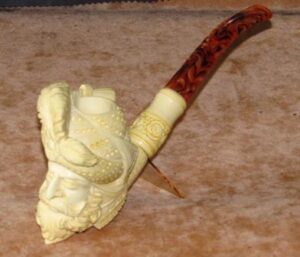
Meerschaum Pipes
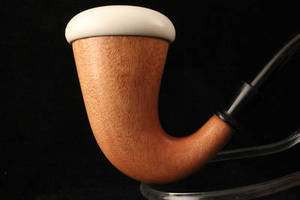
Meerschaum is a natural mineral that produces an exceptionally cool and dry smoke.
These pipes gradually change color from white to shades of yellow, orange, and brown as they absorb tobacco oils. Many collectors appreciate this natural aging process.
Although beautiful, meerschaum pipes require more careful handling because they are more fragile than briar.
Corn Cob Pipes
Corn cob pipes are affordable, lightweight, and surprisingly enjoyable to smoke.
Many experienced pipe smokers still keep corn cob pipes in their collection because they provide a clean smoking experience at a very low cost.
For someone who wants to try pipe smoking without making a large investment, they are an excellent starting point.
2. Select the Right Pipe Shape
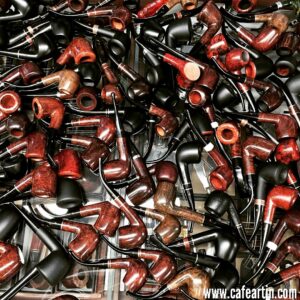
Pipe shape is not only about appearance. It also affects balance, weight, and comfort.
Some of the most beginner-friendly pipe shapes include:
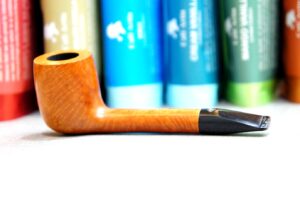
Billiard
The classic straight pipe.
Simple, balanced, and easy to clean, the Billiard is one of the best shapes for beginners.
Apple
The Apple has a rounded bowl that feels comfortable in the hand.
It is attractive, well-balanced, and popular among both beginners and experienced smokers.
Dublin
Recognizable by its slightly conical bowl, the Dublin offers a distinctive look while remaining comfortable to smoke.
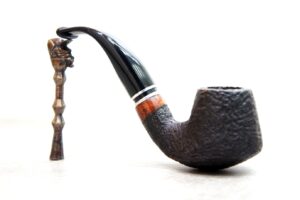
Bent Pipes
Bent pipes reduce the weight felt in the mouth because the stem curves downward.
Many smokers find them comfortable for long smoking sessions.
Straight vs Bent
Straight pipes are generally easier to clean.
Bent pipes often provide a more relaxed smoking position.
Both are excellent choices, and the decision mainly depends on personal preference.
3. Decide on the Pipe Finish
The finish changes the appearance of the pipe but has little effect on smoking quality.
Smooth Finish
A smooth finish highlights the natural grain of the briar.
High-quality grain usually makes these pipes more expensive.
Rustic Finish
Rusticated pipes have a textured surface carved into the wood.
This finish helps hide natural imperfections while providing extra grip.
Sandblasted Finish
Sandblasted pipes reveal the growth rings of the briar and create beautiful natural patterns.
Many smokers appreciate their unique appearance and slightly cooler grip.
Choose the finish that appeals to your personal taste rather than assuming one smokes better than another.
4. Filter or Non-Filter Pipe?
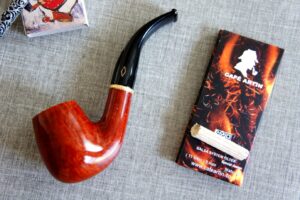
One of the most common questions beginners ask is whether they should buy a filtered pipe.
Filter Pipes
Some pipes accept 9 mm or 6 mm filters.
These filters may reduce moisture and provide a slightly milder smoking experience.
They can also help some new smokers enjoy a cooler smoke while learning proper smoking technique.
Non-Filter Pipes
Traditional non-filter pipes provide a direct tobacco flavor.
Many experienced pipe smokers prefer them because nothing sits between the tobacco and the smoker.
For beginners, either option works well.
If you prefer convenience and a slightly milder smoke, choose a filter pipe.
If you want the classic pipe smoking experience, a non-filter pipe is an excellent choice.
5. Pick the Right Bowl Size
Many beginners mistakenly purchase very large pipes.
A medium-sized bowl is usually the best option because it provides a smoking session of approximately 30–45 minutes.
Smaller bowls are ideal for short smoking breaks.
Large bowls require more tobacco and longer smoking sessions, making them less suitable for beginners.
6. Check the Stem Material
The stem influences comfort and durability.
Vulcanite (Ebonite)
Vulcanite feels soft between the teeth and is comfortable to clench.
However, it can oxidize over time and requires occasional polishing.
Acrylic
Acrylic stems stay shiny and require very little maintenance.
They are more resistant to scratches but feel harder between the teeth.
Neither material is objectively better. The choice depends on personal preference.
7. Essential Accessories Every Beginner Should Buy
Buying a pipe alone is not enough.
Several basic accessories make pipe smoking easier and help keep your pipe in excellent condition.
Pipe Tamper
A tamper compresses the burning tobacco during smoking.
It helps maintain an even burn and improves airflow.
Pipe Cleaners
Pipe cleaners remove moisture and residue from the stem and airway after every smoke.
Cleaning your pipe regularly greatly extends its lifespan.
Pipe Tool
Many smokers carry a three-in-one pipe tool that includes a tamper, reamer, and pick.
It is one of the most useful accessories you can own.
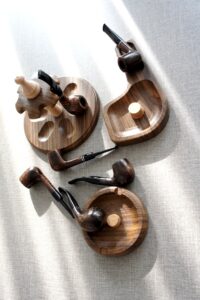
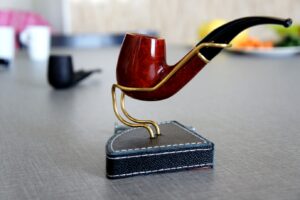
Pipe Stand
A pipe stand allows the pipe to cool safely and protects it from accidental damage.
Pipe Lighter
Soft-flame lighters are recommended for pipe smoking.
Torch lighters burn too hot and may damage the rim of the bowl.
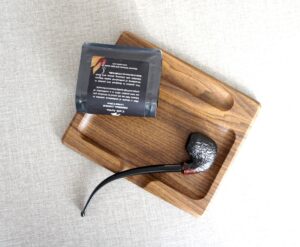
Tobacco Pouch or Jar
Fresh tobacco burns better and tastes better.
An airtight jar or quality tobacco pouch helps preserve moisture and flavor.

8. Buy from a Trusted Pipe Shop
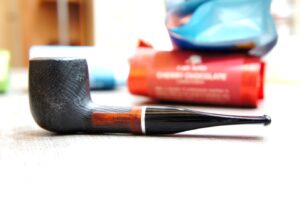
A reputable pipe retailer offers better quality control, expert advice, and authentic products.
Many trusted shops inspect every pipe before shipping and can recommend beginner-friendly models based on your budget and preferences.
Buying from a specialist is usually a better investment than purchasing the cheapest pipe available online.
Choosing your first tobacco pipe should be an enjoyable experience rather than an overwhelming one.
Focus on quality instead of price alone. A medium-sized briar pipe with a comfortable shape, paired with a tamper, pipe cleaners, and a quality lighter, gives most beginners everything they need to start their pipe smoking journey.
Remember that pipe smoking is not about rushing. It is about slowing down, learning proper technique, and enjoying the craftsmanship of a well-made pipe.
As your experience grows, you will naturally discover which pipe shapes, finishes, materials, and tobacco blends suit your personal taste. Your first pipe is only the beginning of a rewarding hobby that many enthusiasts enjoy for a lifetime.
Buy Tobacco Pipe | Pinocchio Tobacco Pipe
References
- Pipedia – Pipe Shapes and Pipe Materials
https://pipedia.org - Smokingpipes – Beginner Pipe Smoking Guide
https://www.smokingpipes.com - CAFE ARTIN – Buy Smoking Pipe